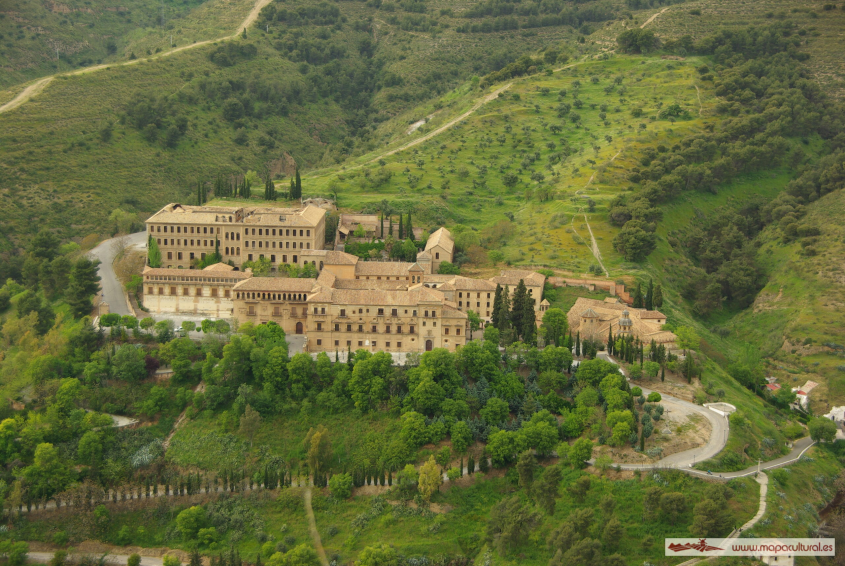
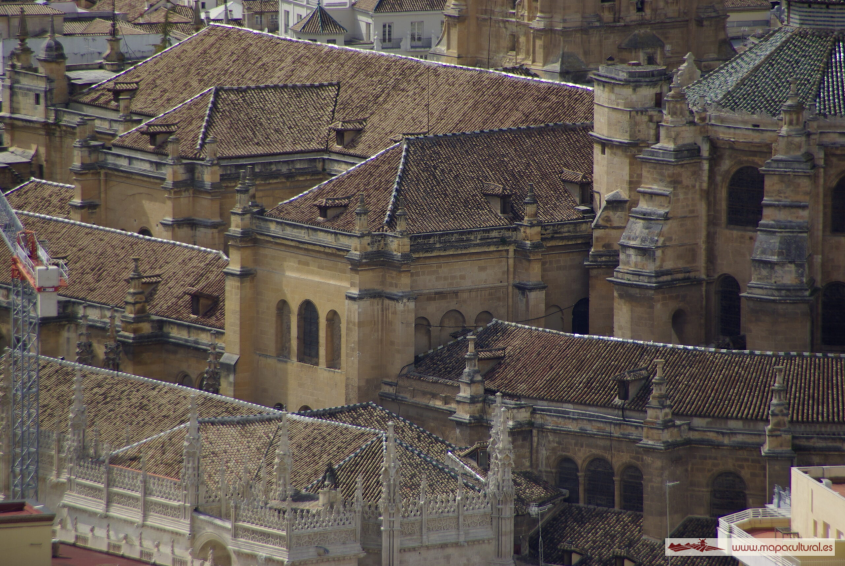
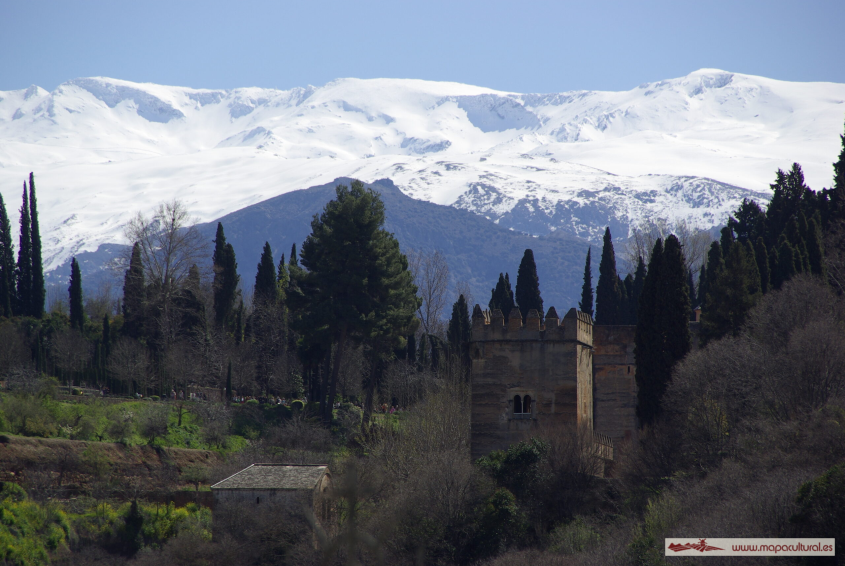
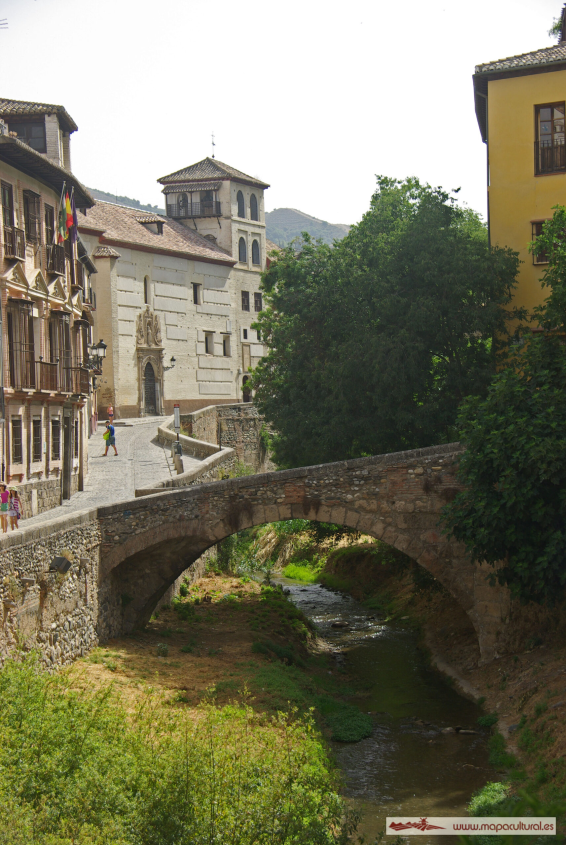
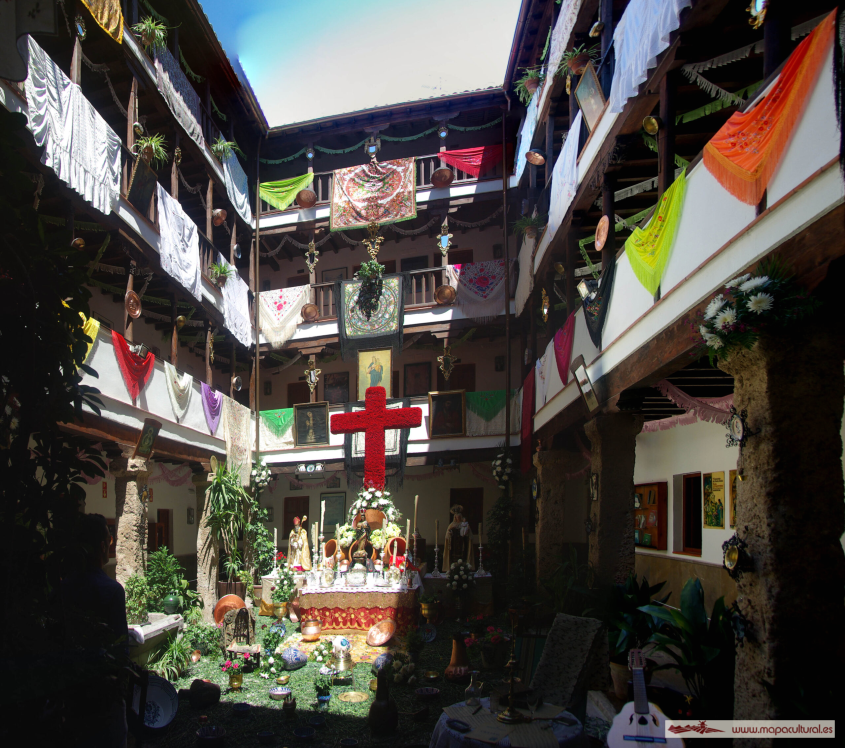
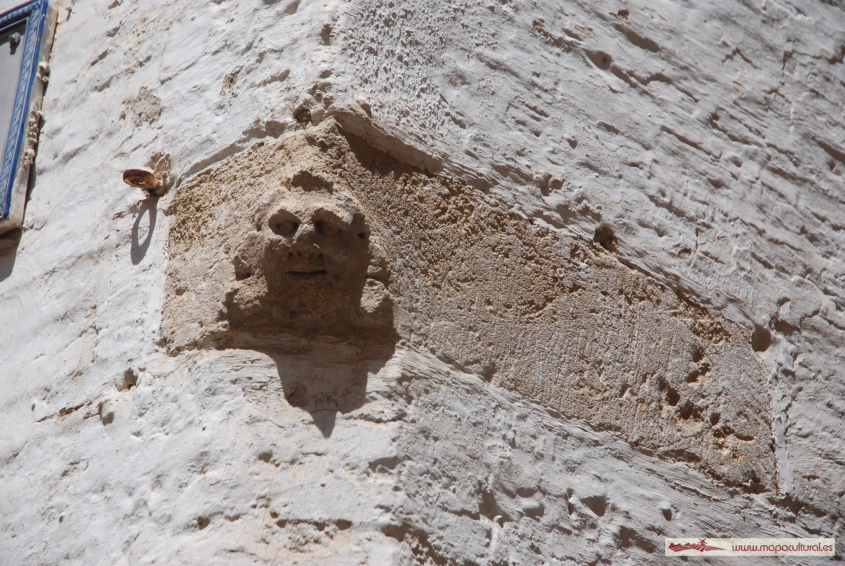
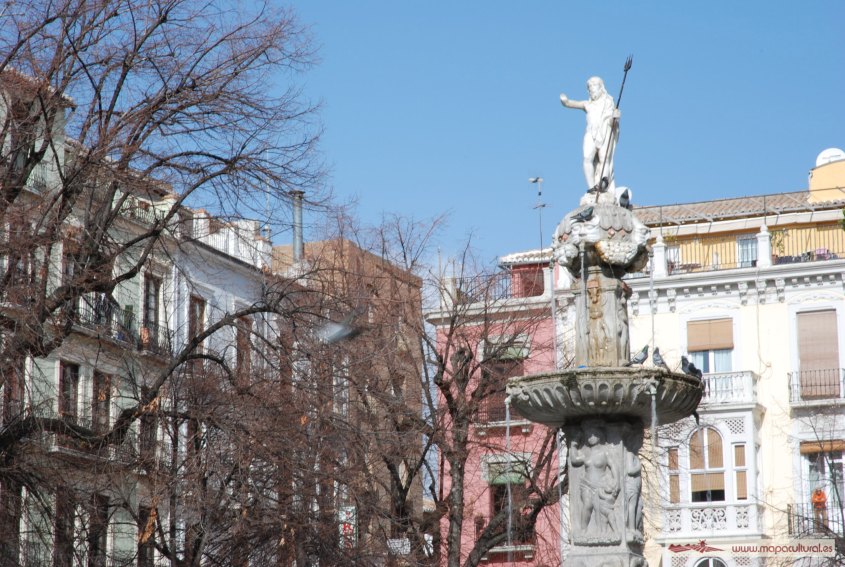
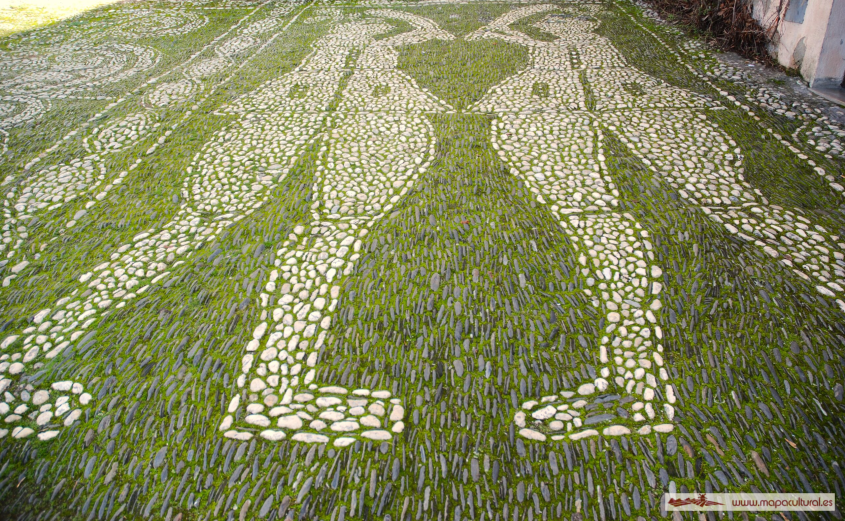
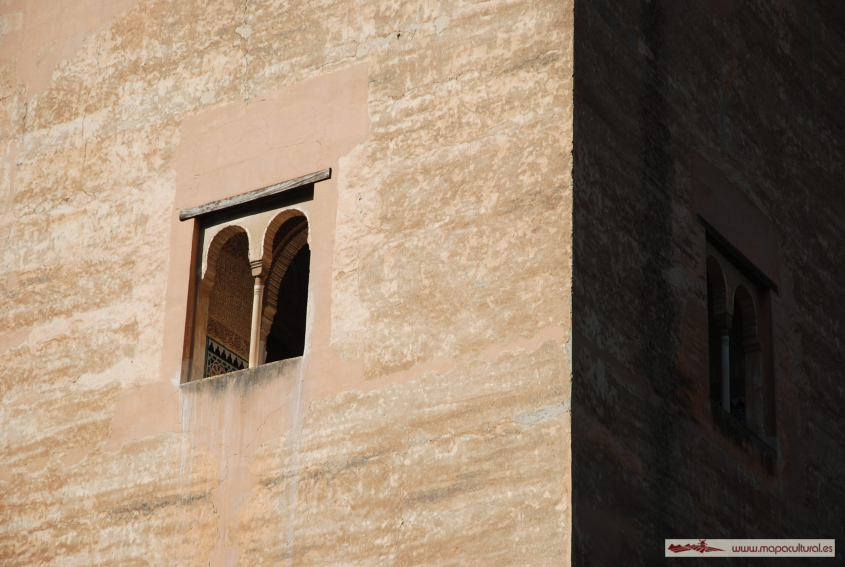
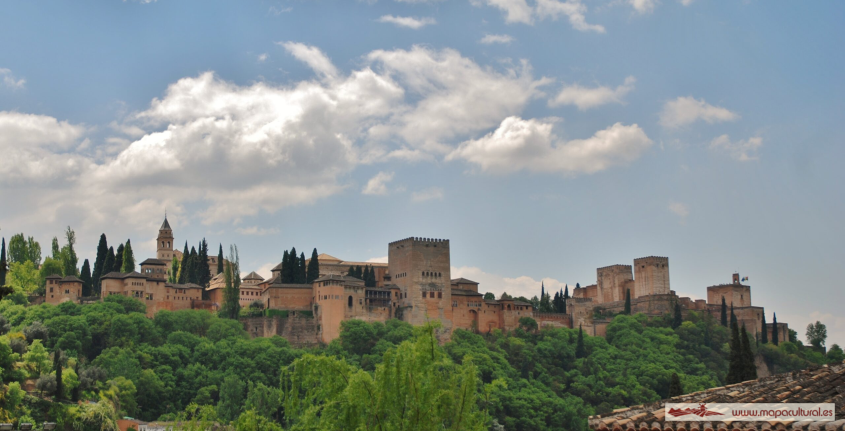
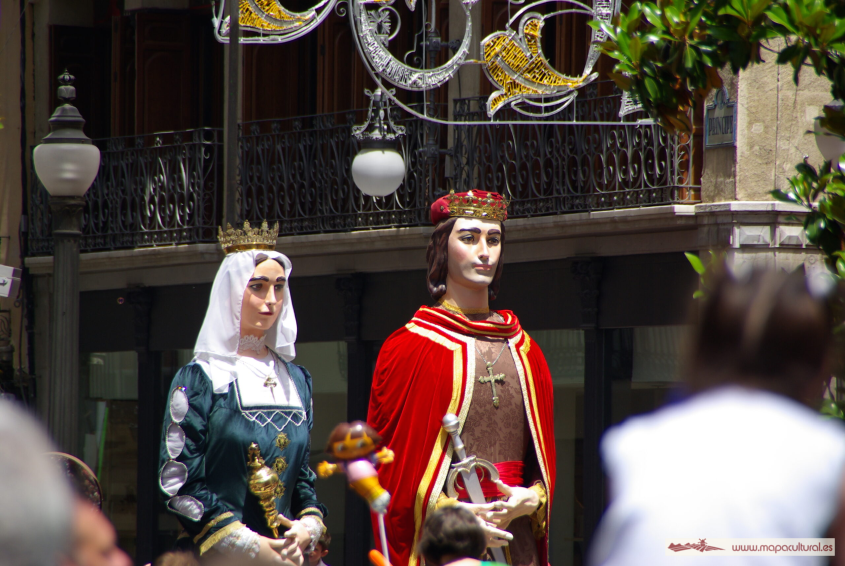
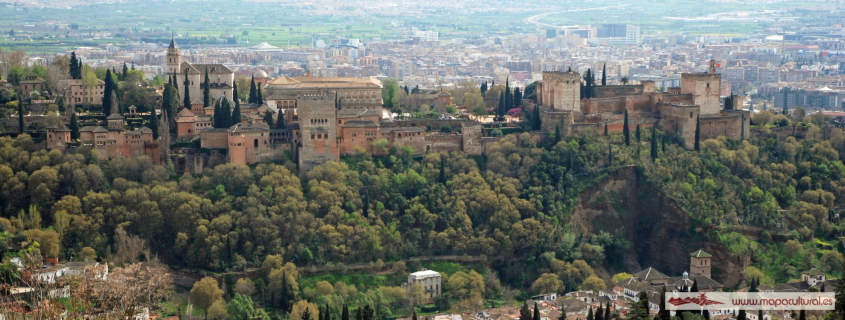
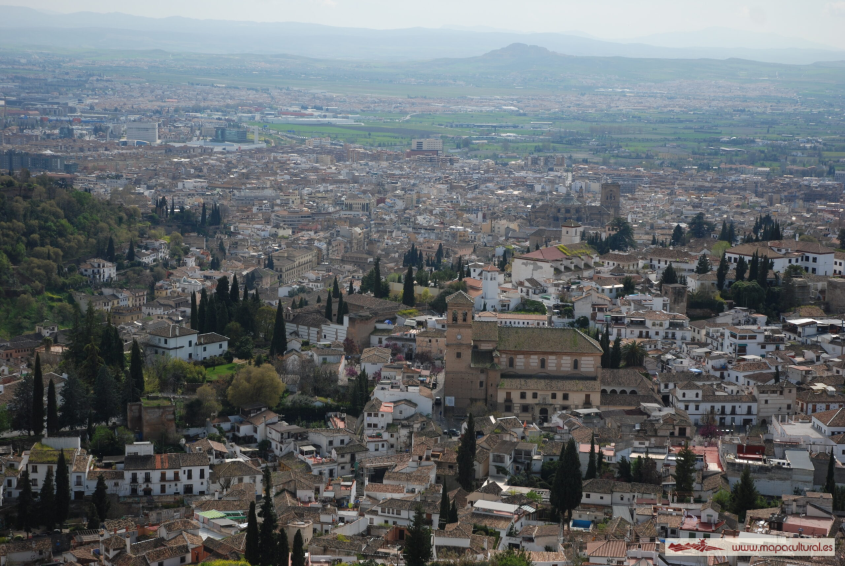
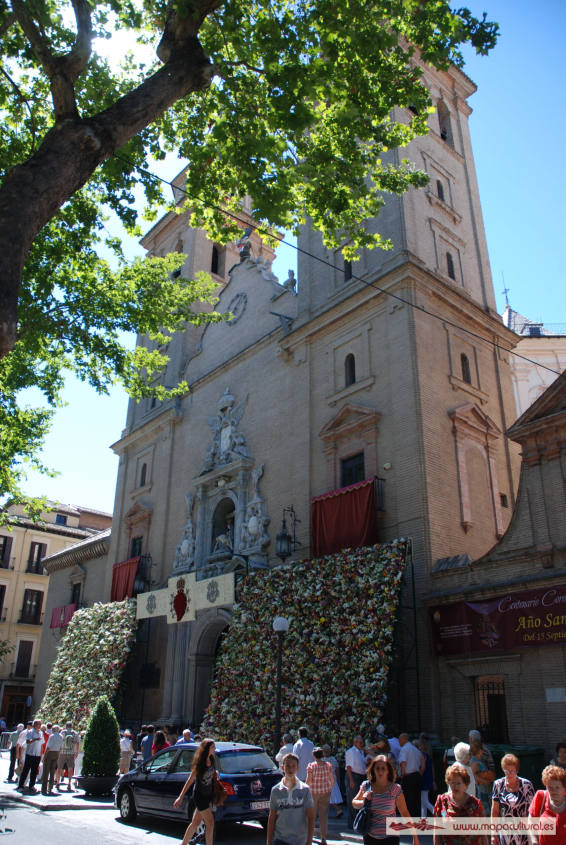
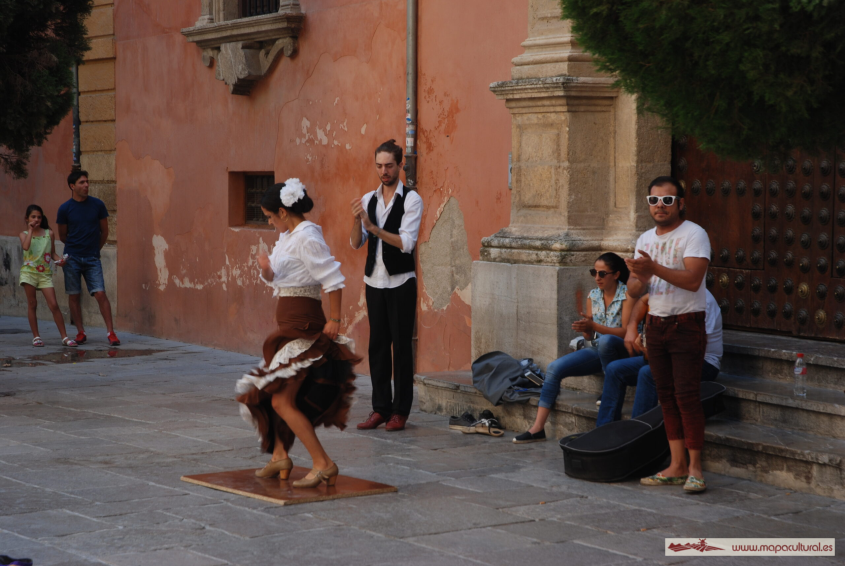
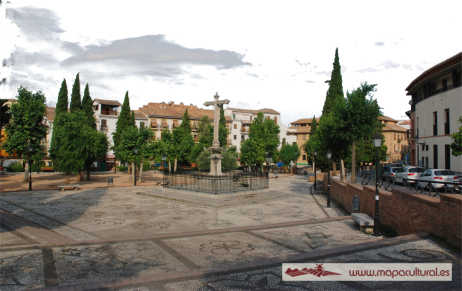
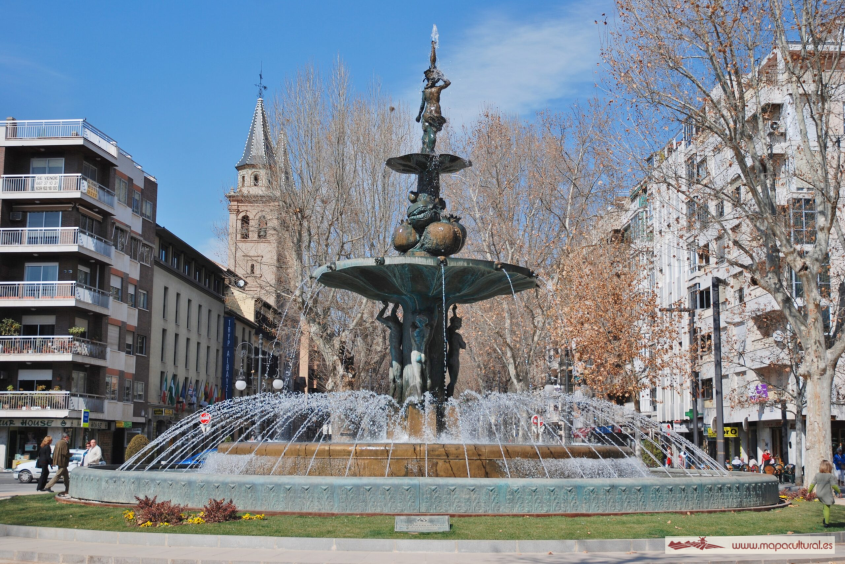
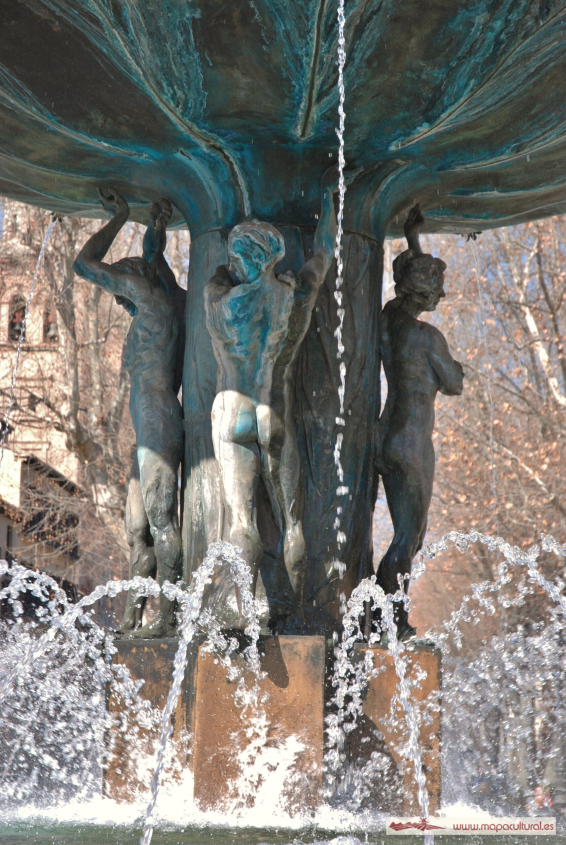
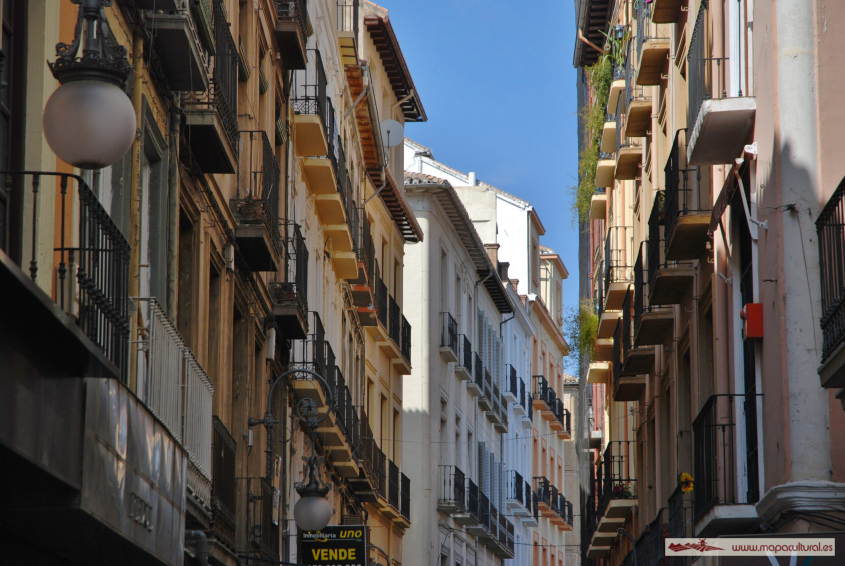
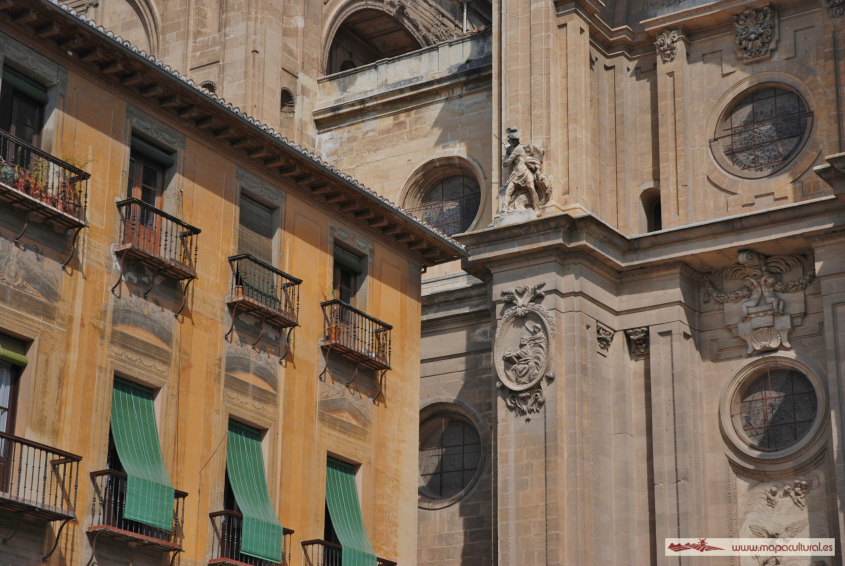
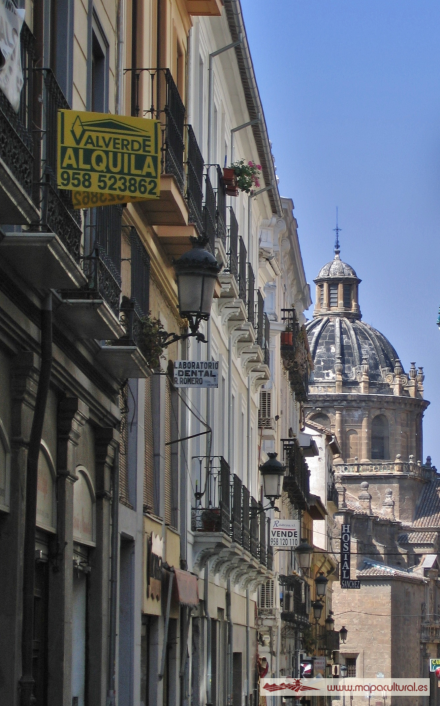
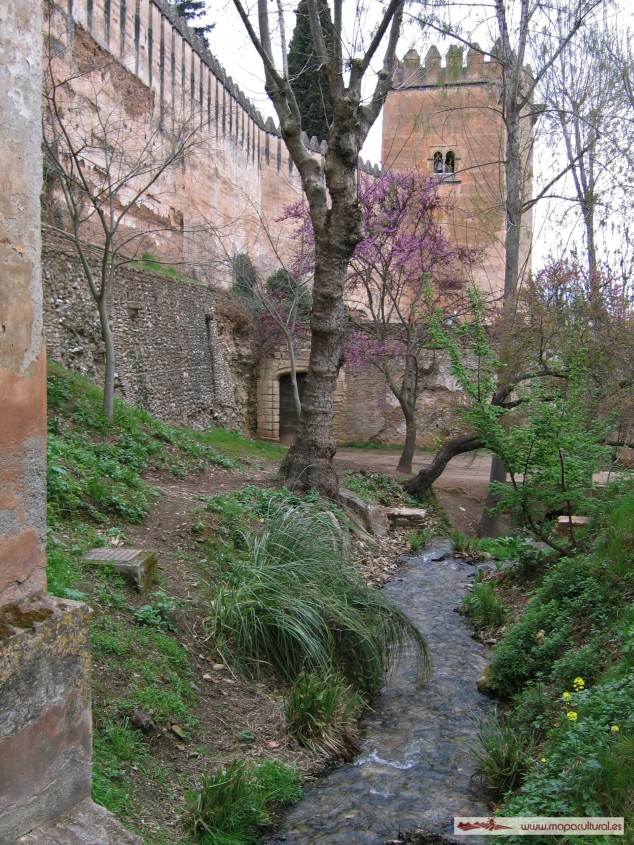
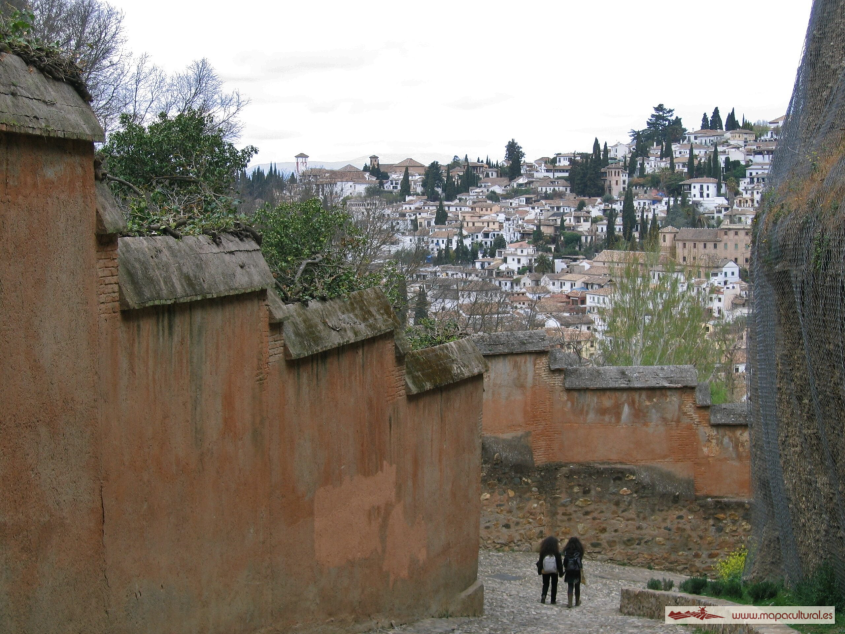
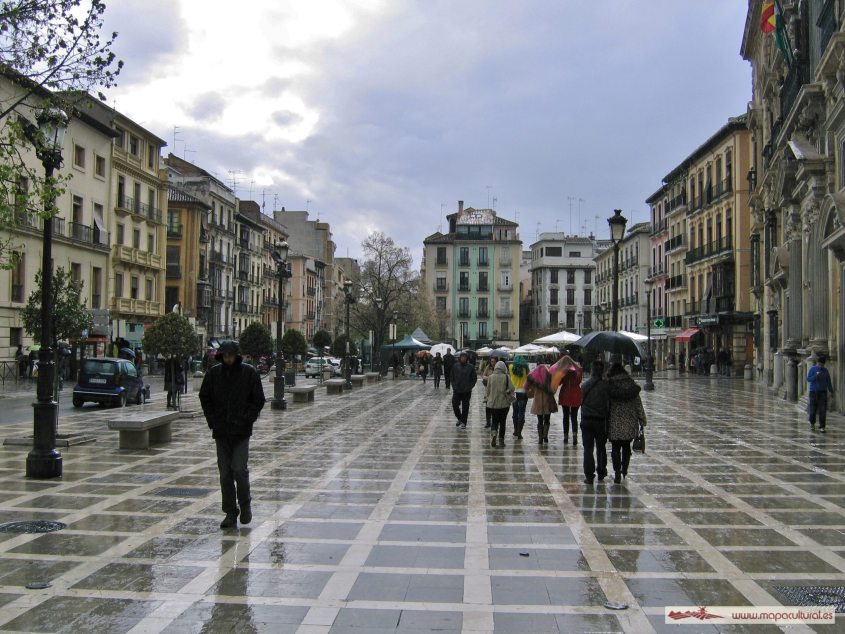
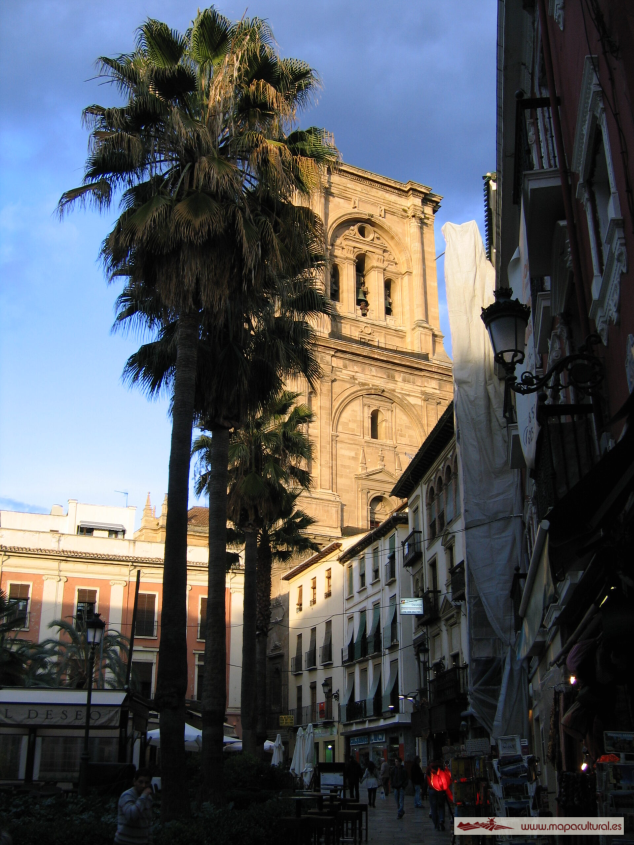
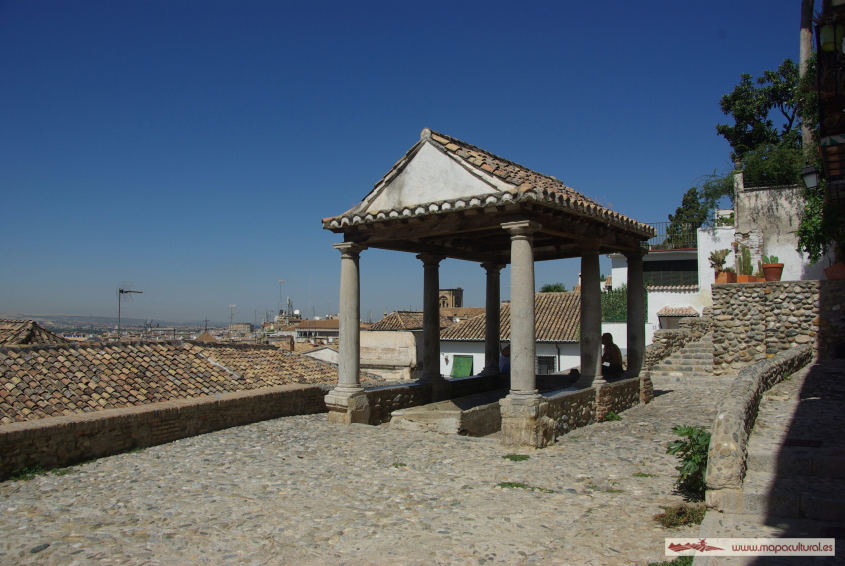
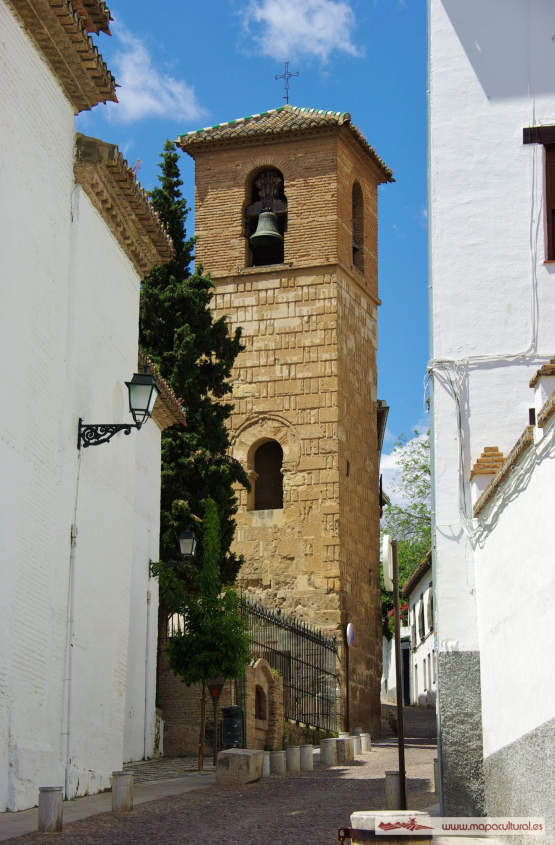
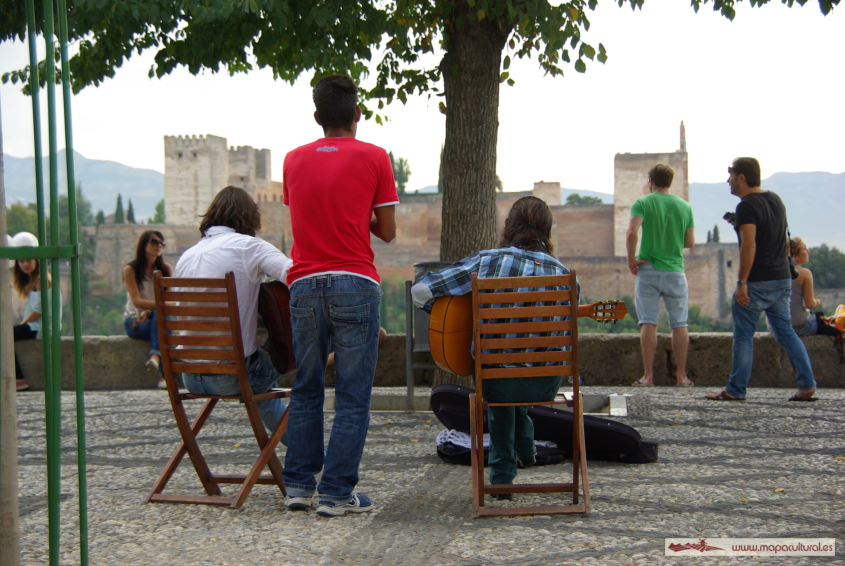
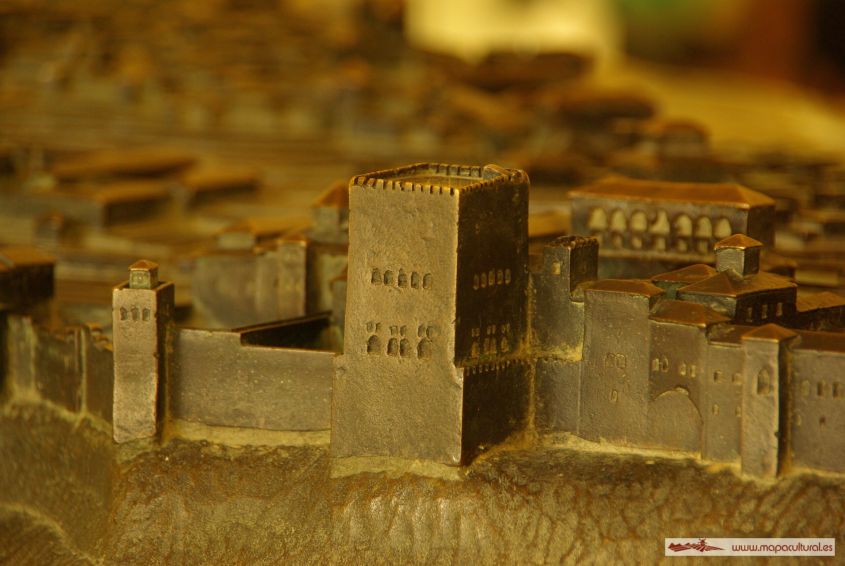
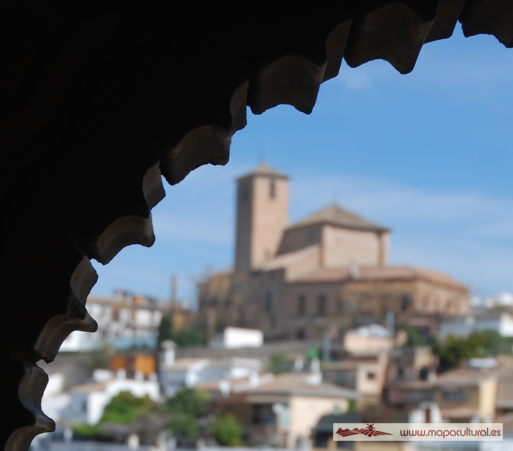
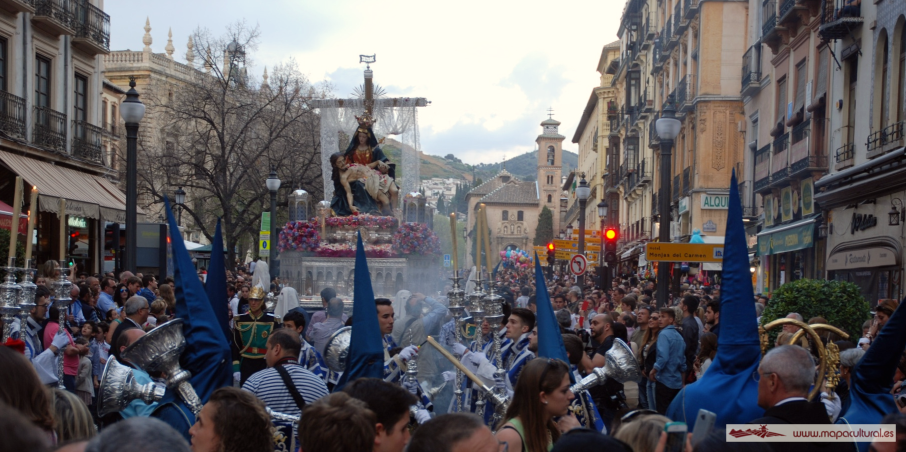
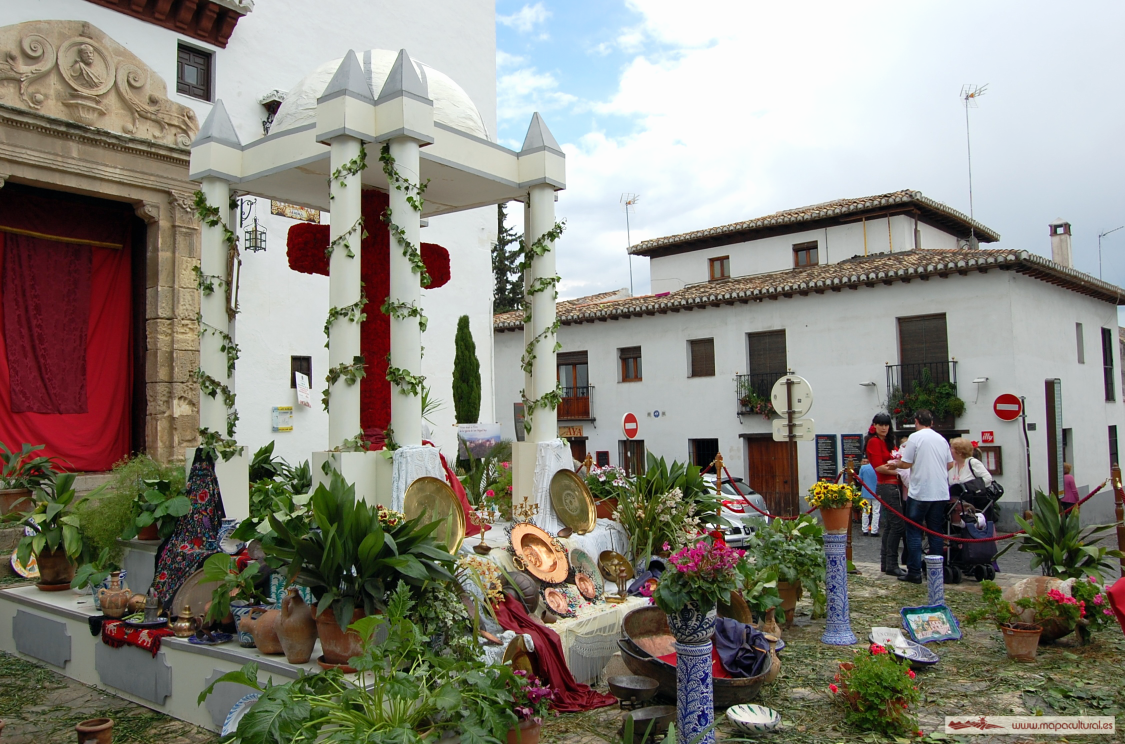
Granada ha acumulado desde su origen testimonios de los diversos periodos por los que ha transcurrido su historia. Tanto Al-Ándalus (ss. VIII al XV) como el periodo abierto tras la conquista castellana en 1492, nutren el desarrollo urbano y la construcción de los principales edificios de la ciudad, con la Alhambra como conjunto monumental exponente de su mayor esplendor y valor simbólico.
Granada alberga en torno a 240.000 habitantes como cabeza de un Área metropolitana que, en su totalidad, supera los 520.000.
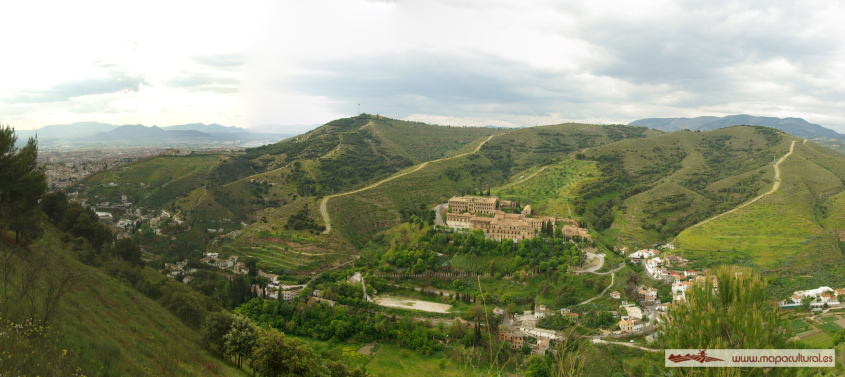
Se sitúa en una fértil vega creada por ríos que descienden de las montañas colindantes, siendo Sierra Nevada el macizo montañoso principal, con el río Genil como cauce vertebrador. Estas condiciones han sido aprovechadas desde la Edad Media por una agricultura de regadío, principal recurso económico de la comarca hasta mediados del siglo XX. El sector servicios tiene hoy un relevante papel, con el turismo, junto a su antigua Universidad, como pilares centrales de su economía.
Con un clima mediterráneo continental, sus temperaturas oscilan entre inviernos fríos y veranos cálidos, con la primavera y el otoño como estaciones más suaves. La proximidad al mar Mediterráneo y a Sierra Nevada, con la cumbre más elevada de la Península Ibérica (3479 m), ofrece ambientes bien diferenciados: desde la variada naturaleza de la media y alta montaña mediterránea (Parque Natural y Parque Nacional de Sierra Nevada) hasta las playas de una costa que goza de un clima mediterráneo subtropical. La estación de esquí, la más meridional de Europa, dista 41 km y las playas 60 km.
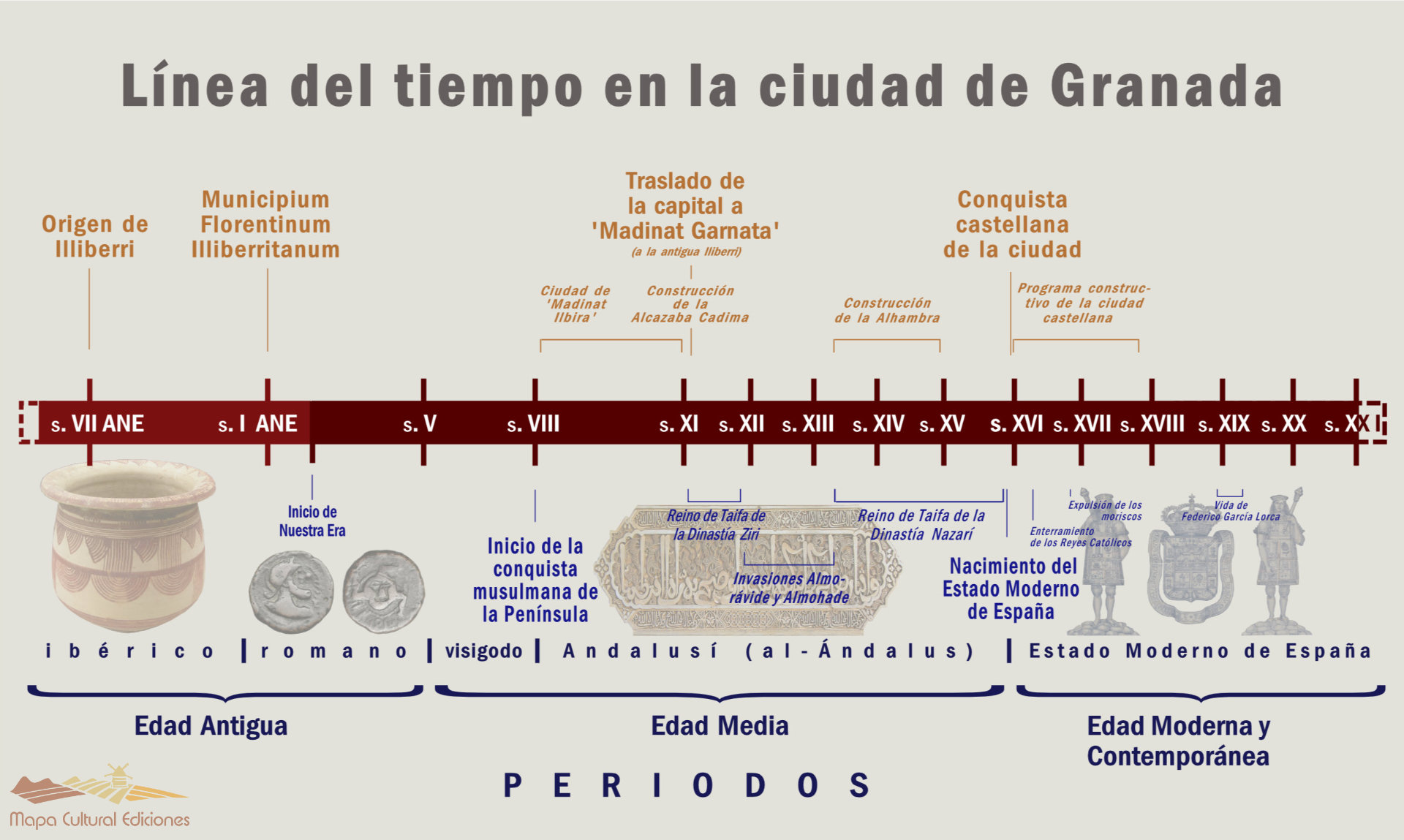
Illiberis era el nombre de la ciudad ibérica, después municipio romano y con posterioridad goda, y se emplazaba en parte del actual barrio del Albaicín, aunque su importancia como asentamiento no tuvo continuidad.
El periodo andalusí (ss.VIII-XV) hace referencia a la conquista, asentamiento y desarrollo cultural de los musulmanes en la península ibérica, con un primer gran núcleo en la comarca, ‘Madinat Ilbira’ (Elvira), situada en la vecina Sierra Elvira. Tras el declive del Califato de Córdoba la dinastía Zirí instauró un reino independiente, una Taifa, que traslada la capital en el s. XI a la antigua Illiberis, denominándose ‘Madinat Garnata’ (Granada). La ciudad continuó su expansión y desarrollo con el periodo almorávide, almohade, y finalmente con el Reino Nazarí (ss. XIII-XV), último reino hispano-musulmán en la Península que construiría la ciudad palatina de la Alhambra.
La conquista castellana en 1492 abre un periodo de transformación de la ciudad. La convivencia con la población de origen andalusí, convertida al cristianismo para poder permanecer en la ciudad, los moriscos, dejó una importante marca cultural en esa centuria. A partir de aquí la evolución de Granada continuó paralela a la del conjunto de ciudades del recién creado Estado de España.
Elaboramos ediciones originales para lugares singulares (mapas, láminas, libros y postales), elaborados y documentados minuciosamente con una imagen creativa, decorativa y entretenida.
CATEGORÍAS
© 2026 Mapa Cultural Ediciones

| Cookie | Duración | Descripción |
|---|---|---|
| cookielawinfo-checkbox-advertisement | 1 year | Set by the GDPR Cookie Consent plugin, this cookie records the user consent for the cookies in the "Advertisement" category. |
| cookielawinfo-checkbox-analytics | 11 months | This cookie is set by GDPR Cookie Consent plugin. The cookie is used to store the user consent for the cookies in the category "Analytics". |
| cookielawinfo-checkbox-functional | 11 months | The cookie is set by GDPR cookie consent to record the user consent for the cookies in the category "Functional". |
| cookielawinfo-checkbox-necessary | 11 months | This cookie is set by GDPR Cookie Consent plugin. The cookies is used to store the user consent for the cookies in the category "Necessary". |
| cookielawinfo-checkbox-others | 11 months | This cookie is set by GDPR Cookie Consent plugin. The cookie is used to store the user consent for the cookies in the category "Other. |
| cookielawinfo-checkbox-performance | 11 months | This cookie is set by GDPR Cookie Consent plugin. The cookie is used to store the user consent for the cookies in the category "Performance". |
| CookieLawInfoConsent | 1 year | CookieYes sets this cookie to record the default button state of the corresponding category and the status of CCPA. It works only in coordination with the primary cookie. |
| elementor | never | The website's WordPress theme uses this cookie. It allows the website owner to implement or change the website's content in real-time. |
| enforce_policy | past | PayPal sets this cookie for secure transactions. |
| ts | 1 year 1 month 4 days | PayPal sets this cookie to enable secure transactions through PayPal. |
| ts_c | 1 year 1 month 4 days | PayPal sets this cookie to make safe payments through PayPal. |
| viewed_cookie_policy | 11 months | The cookie is set by the GDPR Cookie Consent plugin and is used to store whether or not user has consented to the use of cookies. It does not store any personal data. |
| Cookie | Duración | Descripción |
|---|---|---|
| LANG | 9 hours | Linkedin set this cookie to set user's preferred language. |
| nsid | session | PayPal sets this cookie to enable the PayPal payment service on the website. |
| tsrce | 3 days | PayPal sets this cookie to enable the PayPal payment service on the website. |
| x-pp-s | session | PayPal sets this cookie to process payments on the site. |
| Cookie | Duración | Descripción |
|---|---|---|
| l7_az | 1 hour | This cookie is necessary for the PayPal login function on the website. |
| Cookie | Duración | Descripción |
|---|---|---|
| _ga | 1 year 1 month 4 days | Google Analytics sets this cookie to calculate visitor, session and campaign data and track site usage for the site's analytics report. The cookie stores information anonymously and assigns a randomly generated number to recognise unique visitors. |
| _ga_* | 1 year 1 month 4 days | Google Analytics sets this cookie to store and count page views. |
| _gat_UA-* | 1 minute | Google Analytics sets this cookie for user behaviour tracking. |
| _gid | 1 day | Google Analytics sets this cookie to store information on how visitors use a website while also creating an analytics report of the website's performance. Some of the collected data includes the number of visitors, their source, and the pages they visit anonymously. |
| CONSENT | 2 years | YouTube sets this cookie via embedded YouTube videos and registers anonymous statistical data. |
| Cookie | Duración | Descripción |
|---|---|---|
| NID | 6 months | Google sets the cookie for advertising purposes; to limit the number of times the user sees an ad, to unwanted mute ads, and to measure the effectiveness of ads. |
| VISITOR_INFO1_LIVE | 6 months | YouTube sets this cookie to measure bandwidth, determining whether the user gets the new or old player interface. |
| YSC | session | Youtube sets this cookie to track the views of embedded videos on Youtube pages. |
| yt-remote-connected-devices | never | YouTube sets this cookie to store the user's video preferences using embedded YouTube videos. |
| yt-remote-device-id | never | YouTube sets this cookie to store the user's video preferences using embedded YouTube videos. |
| yt.innertube::nextId | never | YouTube sets this cookie to register a unique ID to store data on what videos from YouTube the user has seen. |
| yt.innertube::requests | never | YouTube sets this cookie to register a unique ID to store data on what videos from YouTube the user has seen. |
| Cookie | Duración | Descripción |
|---|---|---|
| VISITOR_PRIVACY_METADATA | 6 months | Description is currently not available. |